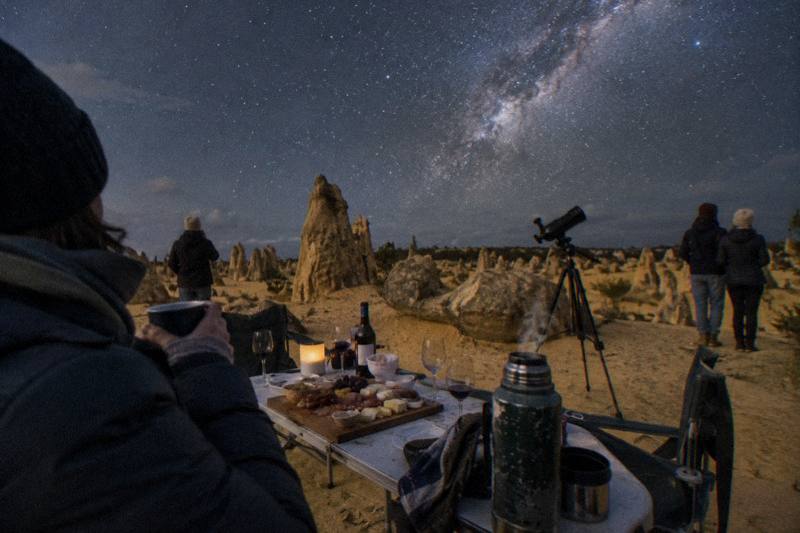
Is Stargazing At The Pinnacles Good On A Full Moon?
A full moon brightens the sky over the Pinnacles and hides the fainter stars, but the limestone pillars themselves are lit. What moon phase means for a stargazing tour, and how to pick a date.
Stargazing is the reason many people book a sunset tour rather than a daytime one, and the trip most often compared is the Pinnacle Desert Sunset and Night-time Stargazing Tour. Before paying for a date, it helps to understand the one variable no operator controls: the phase of the moon. It changes the night more than almost anything else on the calendar.
| Fact | Detail |
|---|---|
| Best moon phase for faint stars and the Milky Way | Near a new moon, when the sky is darkest |
| What a full moon does | Brightens the sky and washes out fainter stars |
| What a full moon gives instead | Moonlit limestone pillars, lit scenery and easier photography |
| The moon's cycle | Roughly 29.5 days from one full moon to the next |
| Clearest skies near the coast | Cooler months, about March to October |
| Sky darkness near the Pinnacles | Perth's glow is distant; astronomy clubs rate the area very dark |
| Park status at night | Tours visit with a commercial operator; independent night access follows park rules |
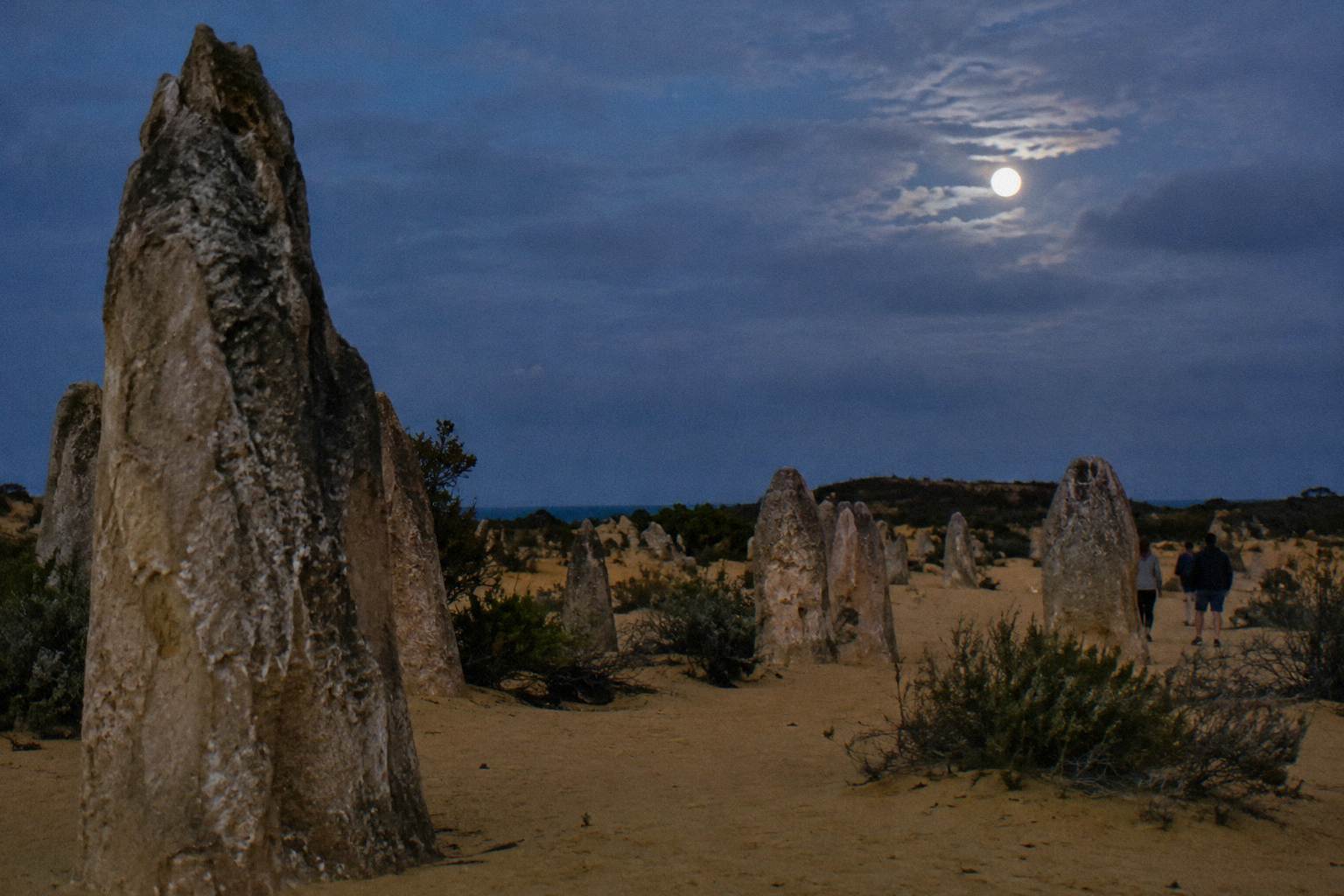
No, a full moon is not the best night for stargazing at the Pinnacles, because the brightened sky hides the fainter stars and the Milky Way, so anyone chasing deep-sky detail should pick a darker night instead. The night is far from wasted, though: moonlight turns the limestone spires, some reaching about 3.5 metres, into a lit landscape, and many photographers actually prefer exactly this.
The mechanics are plain. Sunlight reflects off the moon and scatters through the atmosphere, raising the background brightness of the whole sky. Faint stars sit below that brighter threshold and disappear, while the brightest planets and stars still cut through. The moon is effectively a floodlight hanging in the sky above you, and no dark-sky site survives a full moon at full brightness unaltered.
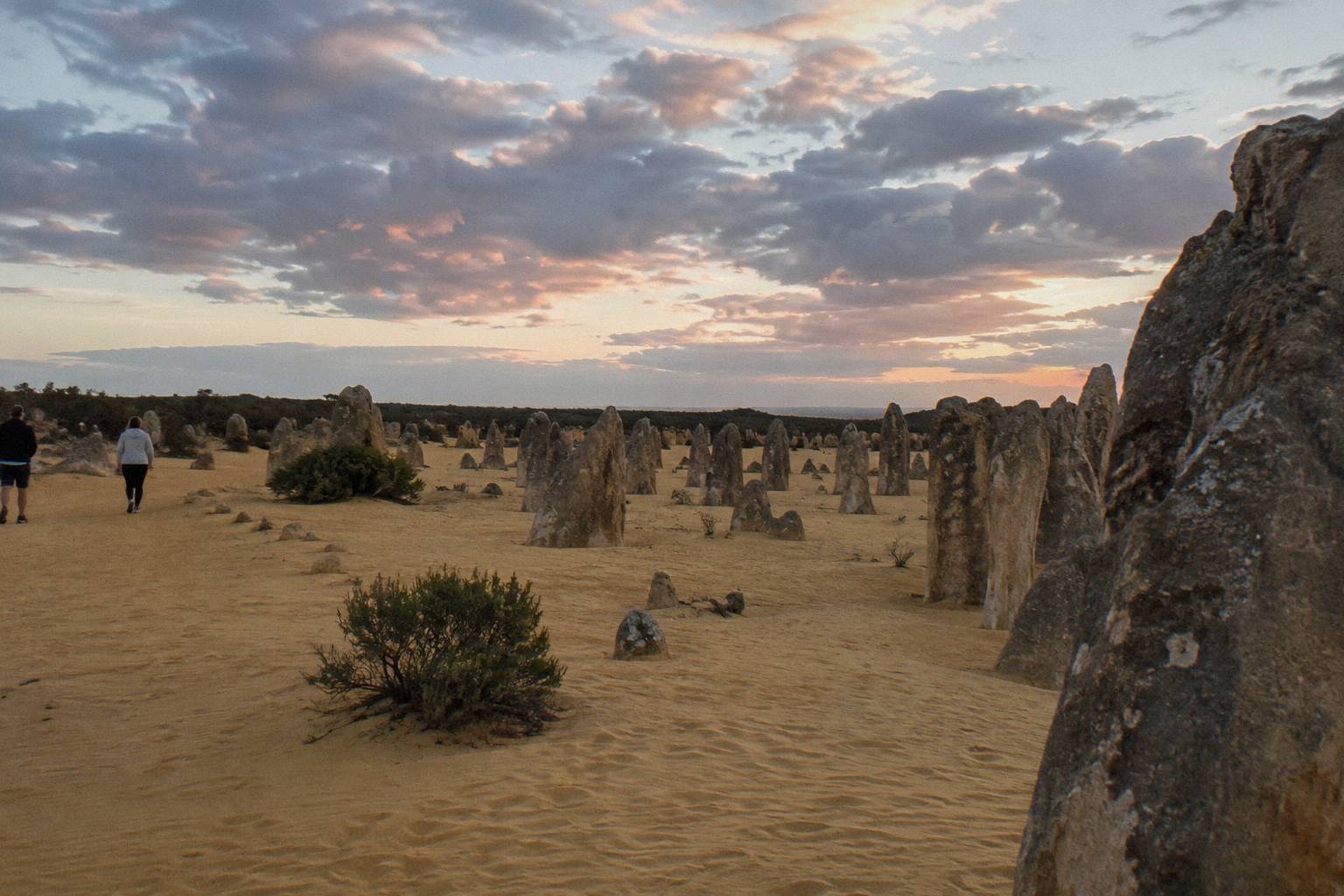
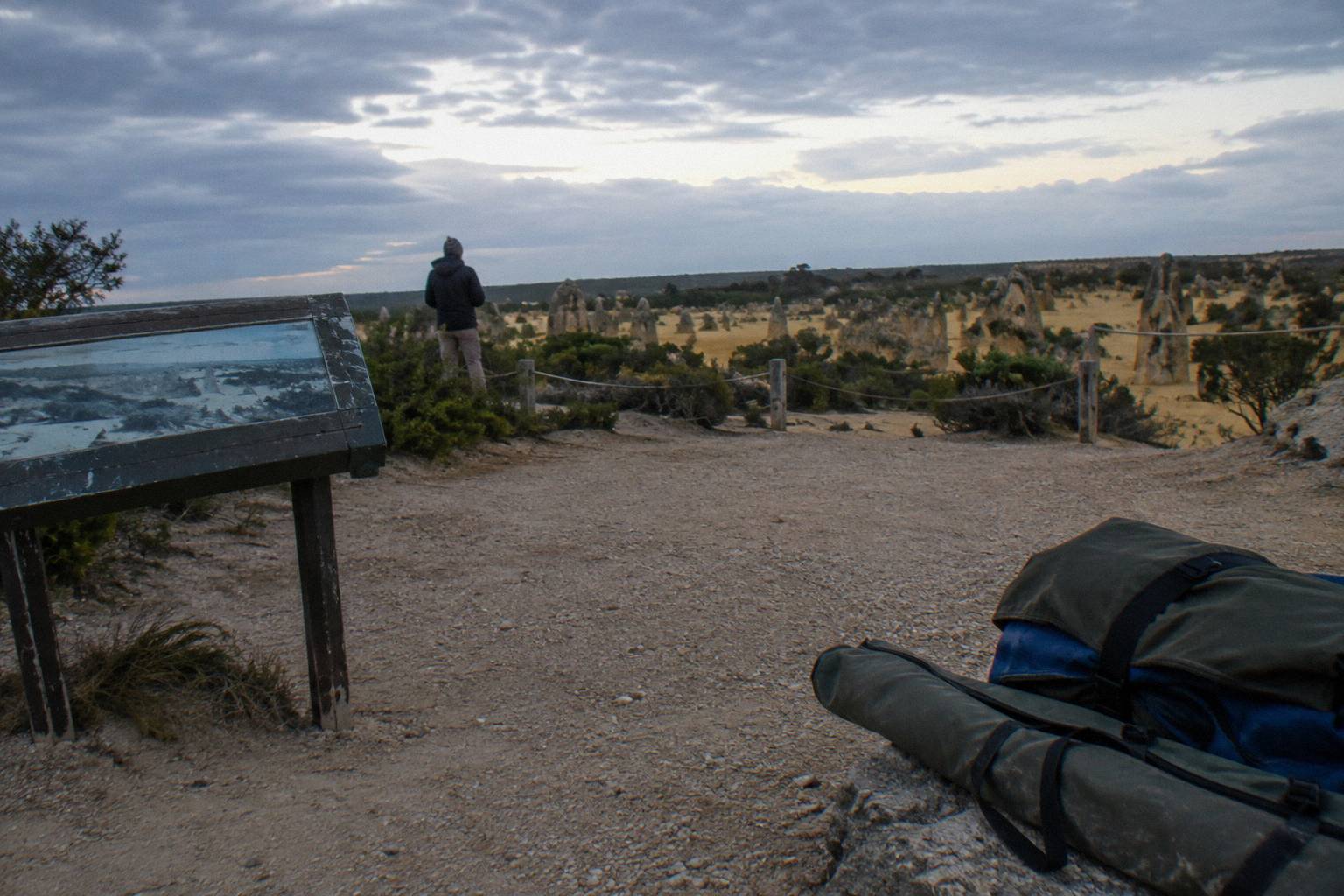
What makes the Pinnacles unusual is that the scenery carries the night on its own. The DBCA Pinnacles Desert lookout page describes thousands of jagged and tombstone-shaped pillars spread across yellow sand, some mushroom shaped where a harder cap weathers more slowly than the limestone beneath. Under a full moon those shapes and shadows are visible without a torch. Under a new moon you need artificial light to see the pillars at all, because the sky, however full of stars, gives no ground light.
The realistic framing is that the two best nights are different products. A new moon night is an astronomy night. A full moon night is a landscape night with some bright objects above it. Deciding which you want, before you book, is the whole decision.
What Each Moon Phase Does To The Night Sky?
Each moon phase makes a predictable trade between sky darkness and ground light, and the pattern holds everywhere on Earth. A new moon delivers the darkest sky and the most stars, a crescent gives back most of that darkness while adding a low, photogenic moon near the horizon, a half moon kills roughly the fainter half of the star field while still lighting the landscape, and a full moon keeps the sky bright all night.
The cycle runs about 29.5 days from one full moon to the next, which means the phase for any future date can be looked up before booking. That matters because tour calendars sell individual evenings, and a week separates a sky-filling full moon from a moonless one. Anyone flexible on dates can simply choose the phase that matches what they want from the night.
| Moon phase | Effect on stars | Effect on the pinnacles | Suits |
|---|---|---|---|
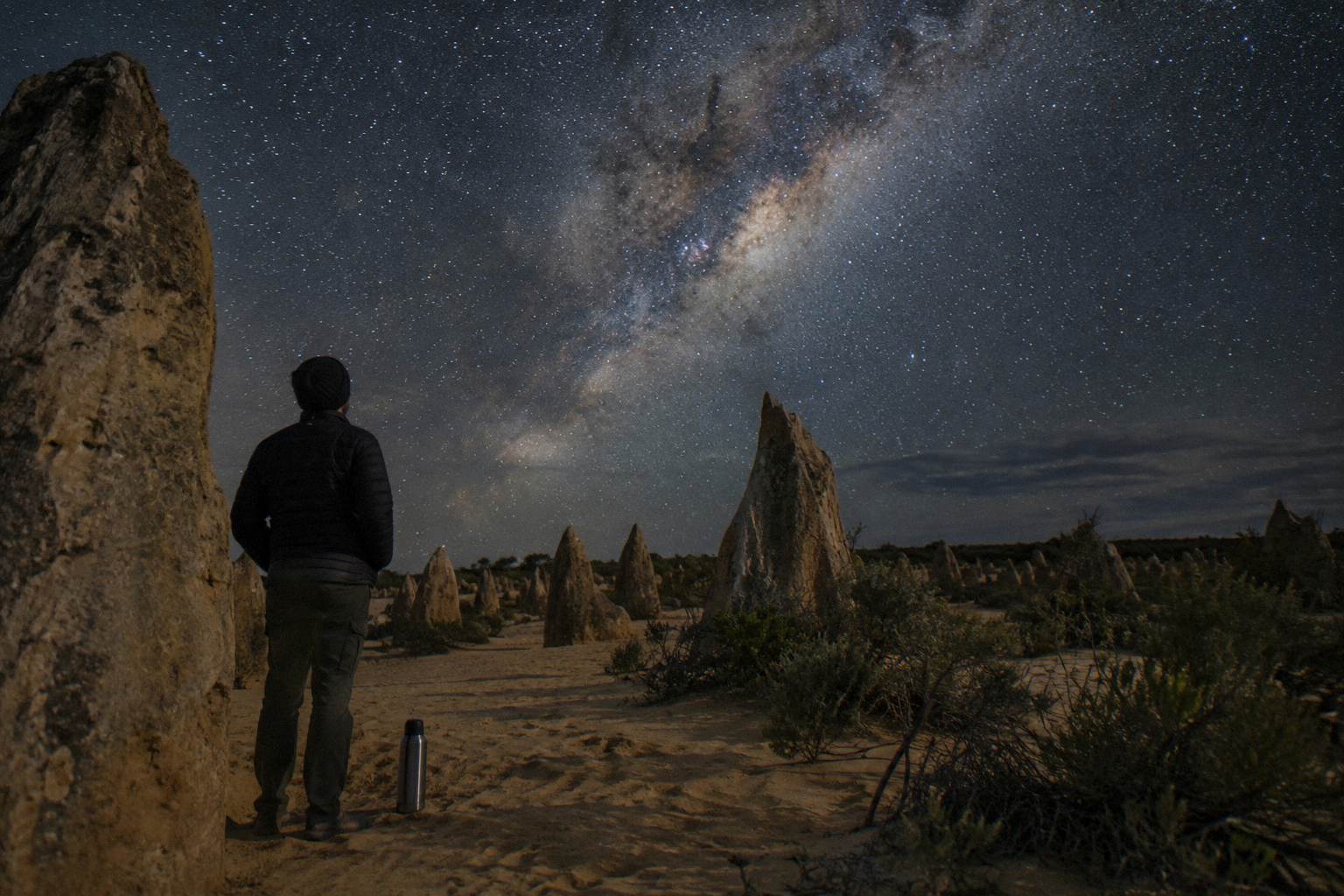
| New moon | Darkest sky, most stars and the Milky Way visible | Pillars need a torch to see | Astronomy first |
| Crescent | Most faint stars still visible, a low horizon moon early | Faint ground light, soft shadows | A blend of both |
| Half moon | Fainter stars washed out, bright objects remain | Pillars half lit, clear shadows | Landscape and easy walking |
| Full moon | Sky bright, faint stars and the Milky Way hidden | Pillars fully lit, shadows sharp | Photography and scenery |
One nuance worth knowing: a crescent moon sets early in the evening. On the nights just after new moon, a thin crescent is visible briefly after sunset and then drops below the horizon, and the rest of the night is dark. Those evenings deliver the moon as a photographic prop for the sunset window and then a genuinely dark sky afterward, which is why experienced stargazers treat the few nights around new moon, not just the exact night, as prime time.
The Milky Way is the headline casualty of a bright moon. Astronomy guides for Western Australia note the Milky Way is best viewed near a new moon, and that the clearest conditions on this coast come in the cooler months, roughly March to October. A full moon in July hides the core of the galaxy just as effectively as a full moon in January. The phase, not the season, decides whether the Milky Way appears.
Which Tours Put You Under The Pinnacles Sky At Night?
Several Perth departures build a night-sky session into a Pinnacles evening, differing more in pacing, vehicle size and price than in astronomy, since the sky above them is identical. The Pinnacle Desert Sunset and Night-time Stargazing Tour from Perth runs about 9 hours with hotel pickup and drop-off and a meal, from AU$249 per person, rated 4.4 from 131 reviews, minimum age 4, making it the straightforward choice for standing among the pillars after dark.
The "Pinnacles Desert Sunset Dinner and Stargazing Tour" from Lumineer Adventure Tours is the most reviewed night product among these tours, rated 4.8 from 1,155 reviews, from AU$220 per person across about 9 hours 30 minutes, with Perth CBD hotel pickup, park entry, sandboarding, a meal and stargazing named as included, and a minimum age of 2. The low minimum age and the long review history make it a default for families deciding between products. See dates and group sizes on the booking page for the evening you want, because the calendar, not a fixed schedule, sets start times.
The "Pinnacles Sunset Stargazing Dinner Experience Small Group Tour" from Autopia Tours takes a smaller-vehicle approach: from AU$199 per person, about 9 hours, rated 4.6 from 473 reviews, pickup from selected inner-city points, park entry and a meal included, minimum age 6. All three offer free cancellation up to 24 hours before start, so a moon-phase mistake on a first booking is correctable if caught in time. That 24-hour window is the practical safety net for phase planning: book the date, check the moon, and adjust.
Does The Weather Matter As Much As The Moon?
No, cloud cover matters more than any moon phase: a fully clouded sky removes both the stars and the moon, while a full moon only washes out the faint stars. A cloudy new moon leaves you with nothing overhead, but a cloudy full moon at least preserves some landscape light. Rain ranks third, and near Cervantes it is sharply seasonal, with the Bureau of Meteorology's Jurien Bay record showing June and July as the wettest months.
The seasonal pattern shapes when stargazing tours run best. Cool months from March to October combine lower rainfall with the clearer, more stable nights that astronomy guides describe for the region. Summer months are drier but hotter, and the DBCA Nambung National Park page notes that summer carries the possibility of extreme fire danger. None of this is a forecast for any given night; it is the background probability a booking decision sits on top of.
The practical takeaway is that the moon is plannable and the weather is not. Pick a date near new moon in the cooler months, and the odds stack in your favour on both counts. Locked into a full moon date in July, the sky could deliver anything from rain to a brilliantly lit desert. Operators keep their own weather calls, and free cancellation up to 24 hours before start on the night tours listed here gives a last-resort exit.
Can You Photograph The Pinnacles Under A Full Moon?
Yes, full moon nights are among the best for photographing the Pinnacles, because moonlight lights the pillars naturally from one side, casting shadows across the sand and allowing exposures short enough to keep stars as points rather than trails. The trade-off is the sky itself: a bright moon removes the Milky Way and cuts the star count, so choose moonlight for the desert, darkness for the stars.
Moonlight photography rewards planning around the moon's position as much as its phase. A rising full moon sits low and large near the horizon after sunset, casting long shadows across the pillars; hours later it stands high and flattens the scene with top-down light. Photographers chasing the dramatic look want the early part of the evening, which suits tours structured around a sunset arrival followed by night time among the pillars. More of these guides are collected on Pinnacles Desert Tours.
The Desert View Walk Trail gives a sense of the ground options: a 300 metre Class 1 accessible path to a viewing platform, then about 1.2 kilometres of sandy Class 3 trail among the pillars, as described on the DBCA Pinnacles Desert Discovery page. On a tour, the operator chooses where the group stops and for how long, which is worth asking about before booking if photography is the main aim. Some nights allow tripods, some do not; ask the operator.
One caution that applies on any night, bright or dark: DBCA's rule for the site is never climb on the pinnacles. The limestone is softer than it looks, and the pillars are both the attraction and the thing being protected. Composition has to happen from ground level.
How Do You Pick A Date Around The Moon Cycle?
To pick a date around the moon cycle, count back three or four nights from a full moon for darkening skies, or go three or four nights past it, and aim near new moon for maximum darkness. Check a lunar calendar for each date's phase, cross-reference the tour booking calendar for open seats, and glance at seasonal rainfall. That simple match is the whole method, and dark nights cost nothing extra.
Flexibility is the multiplier. Travelers fixed to school holidays or a single weekend get the phase they get, and the full-moon landscape night is a genuinely good outcome in that case. Travelers with a week of slack can usually land within two or three nights of new moon, which is close enough to full darkness for the Milky Way to return. Within a month of travel, shifting a booking by even two days can move the night from bright to dark.
Check the booking calendar for the dates you are weighing before committing to a phase strategy, because seat availability narrows the choice faster than the moon does. Weekend evenings near new moon in the cooler months are the ones that fill first, for exactly the reasons laid out here. Midweek dates trade convenience for emptier vehicles and the same sky.
What Trips People Up Before You Book
The main mistakes are expecting stars during a full moon, assuming a clear night means the Milky Way will appear, and thinking the operator can fix the moon phase after you arrive. No tour can dim the moon, so a review written on a new moon night will not match a full moon sky, and missing the 24-hour cancellation window is a final trap.
A fourth mistake is treating stargazing as guaranteed. Cloud, rain and smoke all decide what any night delivers, and a tour can run in conditions that hide the sky entirely while still delivering sunset, dinner and the pillars. Ask the operator what the plan is on a partly cloudy night before booking, not after. Some departures shift the night session toward the landscape when the sky fails; others keep the same itinerary regardless.
The fifth is packing for a bright evening and getting a cold one. Nights in the cooler months, the same months with the clearest skies, drop to mean minimums around 9.5 to 10.3 degrees at Jurien Bay between June and September. Warm layers belong in the bag on any stargazing night, moon or no moon, and the guidance on what to wear for a Pinnacles sunset covers the full kit. For the other half of the decision, whether the evening format itself suits you, whether a sunset tour beats a daytime visit works through the trade-offs.
Is A Full Moon Night Still Worth The Ticket?
Yes for most first-time visitors, since a full moon night delivers a lit desert, bright planets, easy walking conditions and a sunset, with only the deep star field missing. For a second visit, or for someone whose whole goal is the Milky Way arcing over the pillars, the same ticket buys less, and waiting a fortnight for the dark window costs nothing but patience. The ticket price does not change with the phase; the sky does.
The Pinnacle Desert Sunset and Night-time Stargazing Tour from Perth covers the evening arc: hotel pickup, a meal, sunset among the pillars and a night-sky session, about 9 hours door to door, from AU$249 per person. Amounts are Australian dollars, prices vary by date, and the booking page shows the price for the date you choose. Cancellation is free up to 24 hours before start, which keeps a phase change of plan cheap.
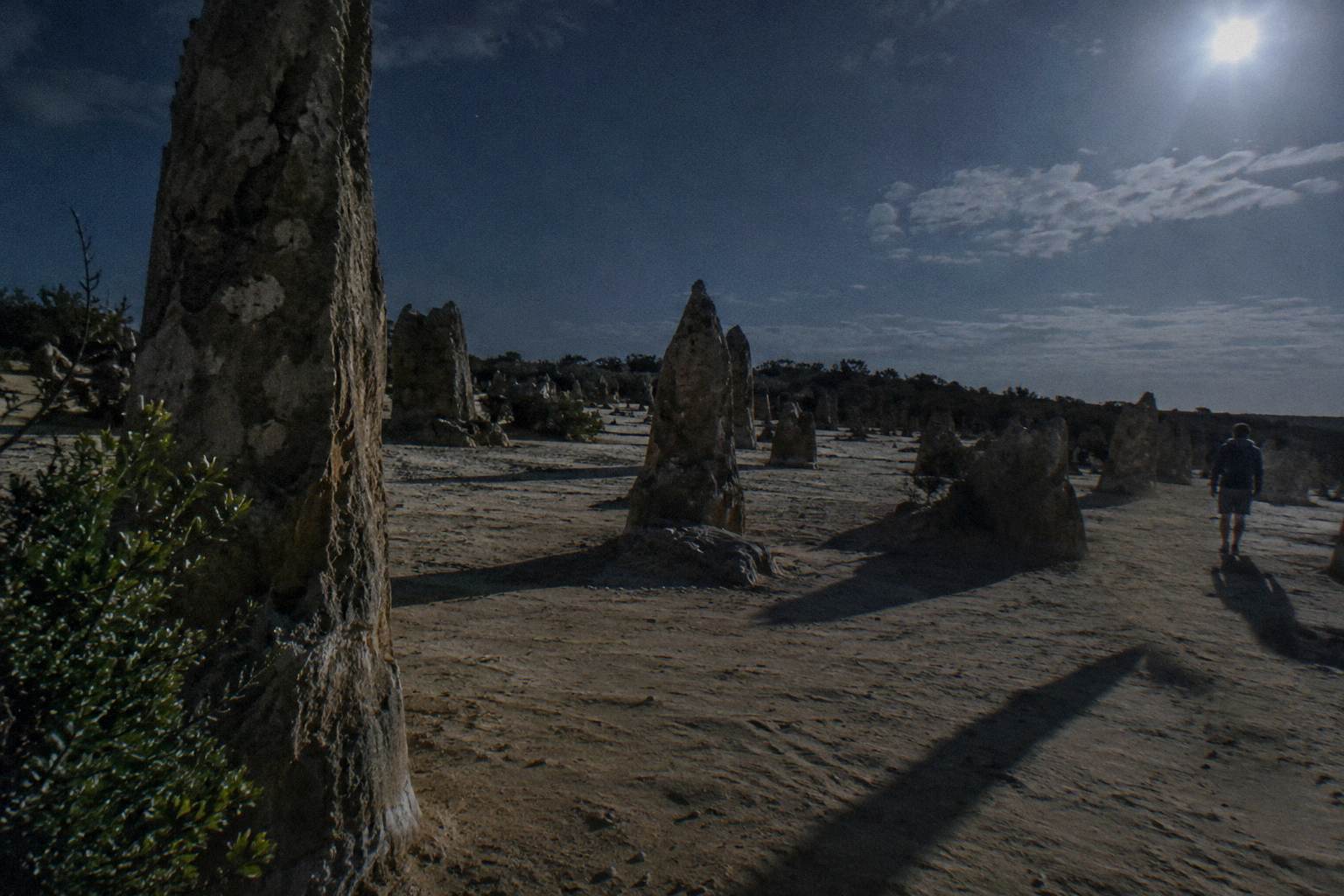
The verdict, plainly: a full moon is a bad astronomy night and a good desert night. Book it knowingly and it pays its way. Book it expecting a Milky Way and it disappoints, through no fault of the operator or the place.
Common Questions About Moon Phase And Stargazing
Is Stargazing At The Pinnacles Good On A Full Moon?
It depends what you want. A full moon brightens the sky and hides the fainter stars and the Milky Way, so it is a weak night for astronomy. It is a strong night for scenery, because the moon lights the limestone pillars and the desert floor. Photographers and first-time visitors often enjoy it; dedicated stargazers should wait for a date near new moon.
Can You See The Milky Way During A Full Moon?
Generally no. Moonlight brightens the sky enough to wash out the Milky Way and the fainter stars. The Milky Way is best viewed near a new moon, when the sky is at its darkest. Bright planets and the brightest stars remain visible even under a full moon.
Which Moon Phase Is Best For Stargazing?
New moon, and the few nights either side of it. A thin crescent sets early in the evening, so the nights just after new moon also give a dark sky for most of the night. A half moon or fuller hides the fainter stars but lights the landscape.
Do Tours Still Run On Full Moon Dates?
Yes. Moon phase does not affect whether a tour departs; weather and the operator's judgement do. Night tours here offer free cancellation up to 24 hours before start, so if you booked a full moon date by mistake and want a darker sky, you can change within that window.
What Is The Best Month For Stargazing At The Pinnacles?
The cooler months, roughly March to October, combine clearer nights with lower rainfall. June and July are the wettest months in the local climate record, so the shoulder months around them are popular for sky-watching. The moon phase matters more than the month for whether faint stars appear.
Is A Full Moon Good For Photos Of The Pinnacles?
Often yes. Moonlight lights the pillars from one side, throws shadows across the sand and allows shorter exposures than a dark night. What you lose is the dense star field and the Milky Way. If the pillars are the subject, a full moon helps; if the stars are the subject, it hurts.