Is The Pinnacles Desert Worth Visiting?
A facts-first answer on whether the Pinnacles Desert is worth visiting: what you see, what it costs, how long it takes, and when a tour changes the day.
The Pinnacles sits inside Nambung National Park, and the shortest booked way to see it is an express Pinnacles tour from Perth, a six-hour format that covers the drive, entry and pickup in one day. This article, from Pinnacles Desert Tours, answers the question on the official facts alone: what the pillars are, what a visit costs, how long it takes, and where a tour genuinely changes the day.
| Fact | Detail |
|---|---|
| What it is | Thousands of limestone pillars rising from yellow sand, up to about 3.5 m tall |
| Where | Nambung National Park, about 200 km north of Perth |
| Drive from Perth | About 2 hours to Cervantes, then 15 to 20 minutes to the Pinnacles |
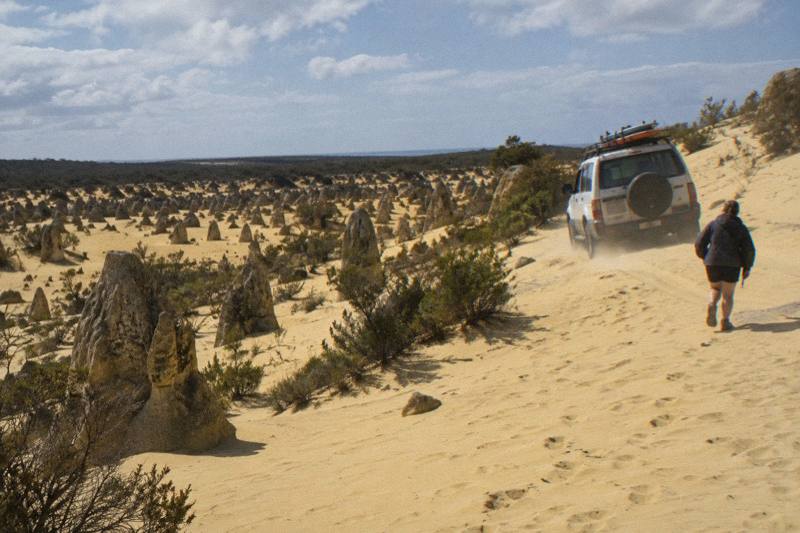
| Drive loop | About 4.5 km one way, unsealed, no vehicles longer than 7 m, caravans or trailers |
| Walk trail | Desert View Walk Trail, 1.5 km, first 300 m accessible path |
| Visitor centre | Pinnacles Desert Discovery, open 9:30 am to 4:30 pm daily, closed Christmas Day |
| Park entry | AU$17 per standard vehicle, or AU$8 per passenger on a commercial tour |
| Traditional Owners | Yued people are recognised as the Traditional Owners of Nambung National Park |
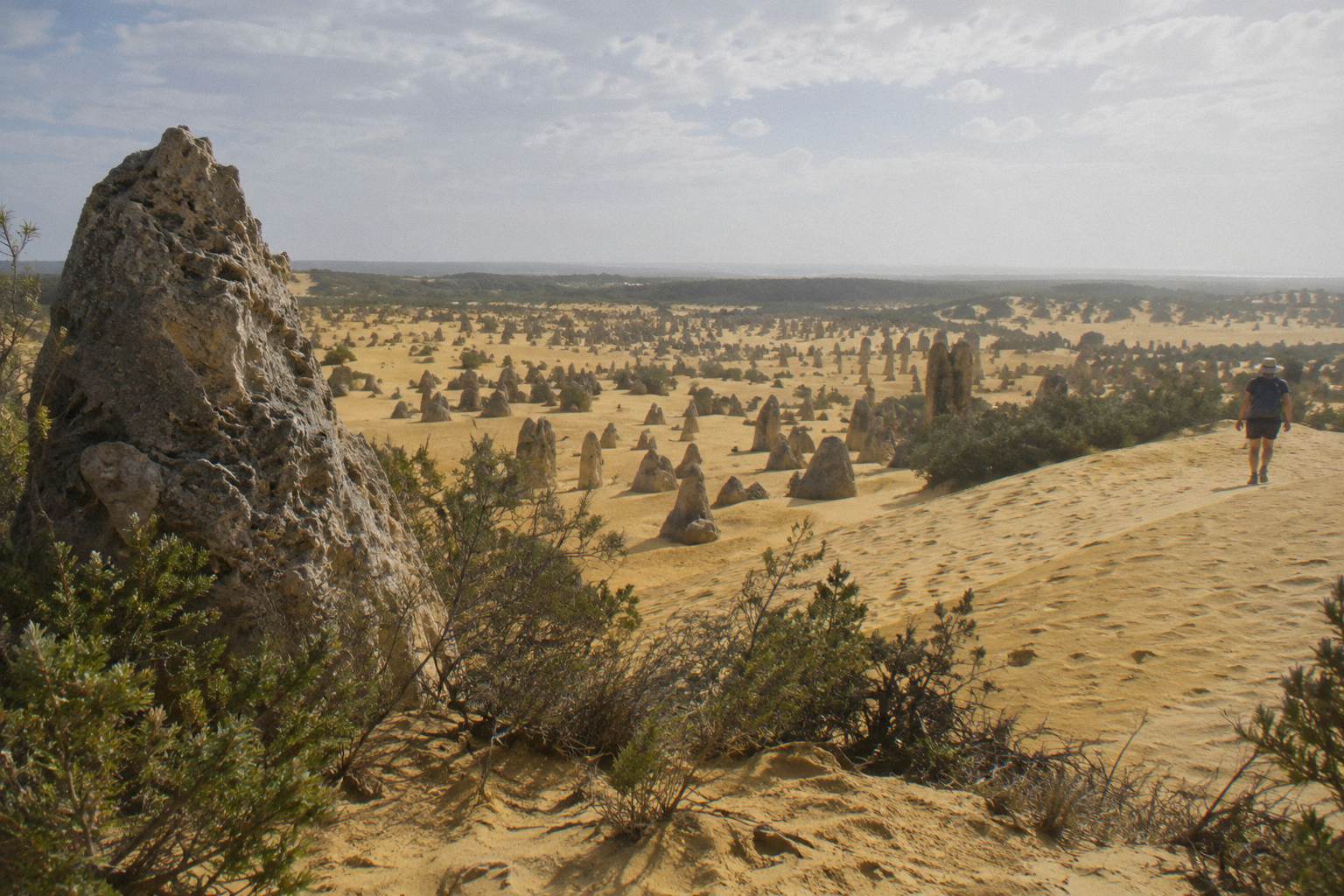
Yes, for most travellers the Pinnacles Desert is worth visiting, because nothing else on the WA coast looks like it. Thousands of limestone pillars, some up to about 3.5 m tall, stand scattered across yellow sand about two hours north of Perth, and you can drive a 4.5 km loop right among them. The caveat is that it is a landscape of rock and sand rather than a full-day attraction, so pair it with other stops.
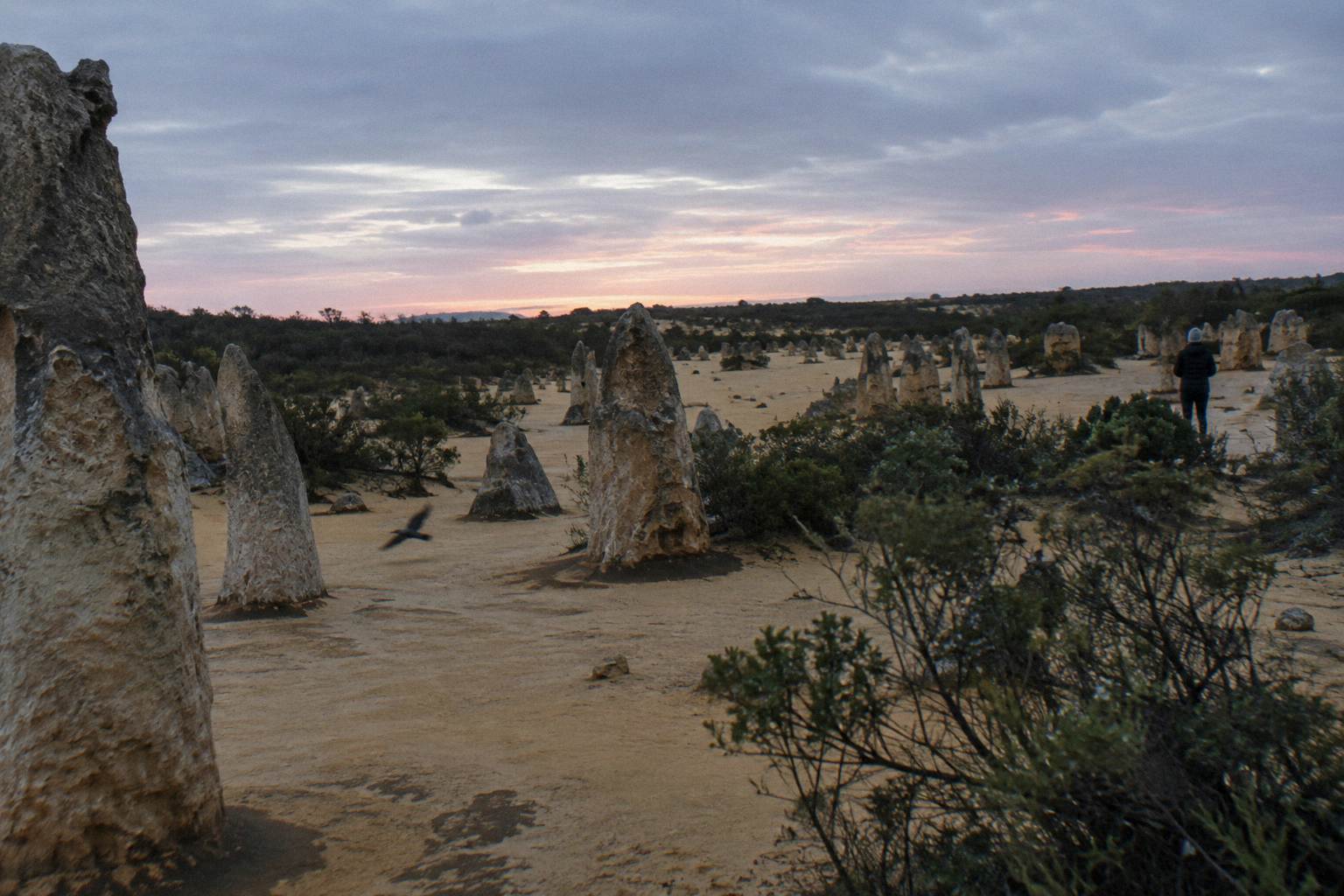
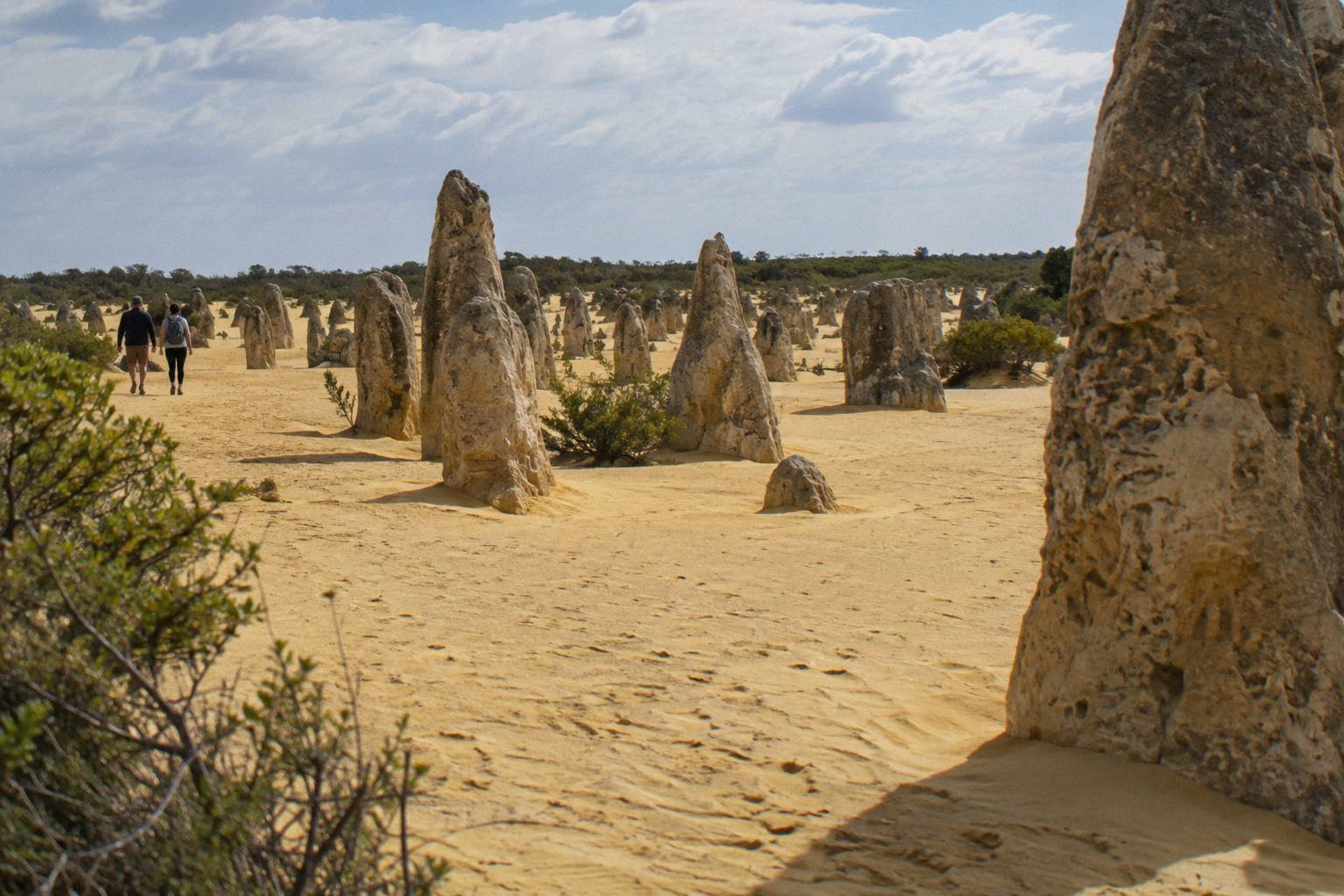
The pillars are the draw, and they are stranger than photos suggest. Some are jagged, sharp-edged columns, others resemble tombstones, and many are mushroom shaped because a harder calcrete cap on top weathers more slowly than the limestone below. Cross-bedding visible in the rock shows the dunes the limestone formed from were laid down by wind. The DBCA Pinnacles Desert lookout page describes the pillars, the loop and the one rule that matters: never climb on the pinnacles.
What makes the answer a yes rather than a maybe is how accessible the strangeness is. The park is open year round, the access roads are suitable for two-wheel drive vehicles, and the Discovery Centre is open daily from 9:30 am to 4:30 pm except Christmas Day. You do not need a 4WD, a permit or a guide to stand among the pillars, which is rare for a landscape this unusual.
It is worth being direct about who should hesitate. If you expect a full day of varied activities inside the park itself, the Pinnacles alone will not fill it: there is no camping in Nambung National Park, no dogs allowed, and mobile coverage is patchy or absent in parts. The visitors who rate the day are the ones who build the Pinnacles into a bigger route, or hand the day to a tour that already has.
What You Actually See At The Pinnacles
A visit delivers three distinct things: the pillars themselves from the drive loop and walk trail, the interpretive displays at Pinnacles Desert Discovery, and, if you time it, the changing light across the sand. The loop runs about 4.5 km one way past parking bays and the Desert View Walk Trail covers 1.5 km, so none of it is a hike; all of it stays close to the car.
The formation story is the part most visitors miss by rushing. Sea shells were broken into lime-rich sand and carried inland by wind to form high dunes. Winter rain leached the lime down and cemented the grains into limestone, vegetation stabilised the dunes and a calcrete cap formed on top. Plant roots opened cracks, softer limestone below dissolved, and wind removed the covering sand to expose the pillars. No official numeric age exists for them, so the plain description is simply that they formed from ancient sea shells, a sequence the DBCA Nambung visitor guide sets out in full.
What you see, stop by stop, looks like this:
| Stop | What You See | Time It Deserves |
|---|---|---|
| Drive loop | Pillars of every shape from the car, about 4.5 km one way, unsealed | 20 to 40 minutes with stops |
| Desert View Walk Trail | Pillars at close range, 1.5 km, 300 m accessible path then 1.2 km sandy section | 30 to 60 minutes |
| Pinnacles Desert Discovery | Displays, soundscapes and videos on geology and heritage, retail gallery, toilets | 30 to 45 minutes |
| Pinnacles View Lookout | Panorama directly behind the visitor centre | 10 to 15 minutes |
The centre itself is a solar-powered building with a retail gallery, toilets and a phone number, (08) 9652 7913, if you want to check anything before driving up. The DBCA page for Pinnacles Desert Discovery covers the displays and the trailhead. One practical note: the shop sells refreshments, but there is no restaurant in the park, so plan lunch around Cervantes, the fishing-town gateway about 17 to 19 km away.
How Much Time A Visit Takes
Realistically, a self-drive visit needs two to three hours on site: one loop of the drive trail, the walk, and a look through the Discovery Centre. Add about two hours each way from Perth and the day is five to eight hours door to door. Booked tours compress or extend that depending on format, from the 6 Hours Pinnacles Express Tour at six hours to full sunset-and-stargazing trips at nine to nine and a half hours.
The time question decides the whole shape of the day, so it is worth laying the formats side by side. A quick visit works: drive up in the morning, do the loop and the walk, and be back in Perth by mid afternoon. A bigger day also works: add Cervantes, Lake Thetis with its stromatolites, or the Lancelin sand dunes, and the Pinnacles becomes one stop in a coastal loop rather than the whole outing.
| Format | Duration | What It Includes |
|---|---|---|
| Express tour | 6 hours | Pinnacles and park entry, Perth pickup, back by early afternoon |
| Self-drive morning | 5 to 6 hours door to door | Drive, loop, walk, visitor centre |
| Full-day tour | 9 to 11 hours 30 minutes | Pinnacles plus stops such as Yanchep koalas, Lancelin sandboarding or a lobster lunch |
| Sunset and stargazing tour | 9 to 9 hours 30 minutes | Pinnacles at golden hour, dinner, stargazing on the return |
The 6 Hours Pinnacles Express Tour from WA NT TOURS, from AU$190 per person with hotel pickup in Perth city and Fremantle, is the clearest example of the compressed format: park entry and CBD pickup are named as included, and the whole thing fits inside a morning-to-afternoon window. All amounts in Australian dollars, and prices vary by date, so check the booking page for the day you want.
For the opposite end of the scale, the Pinnacles Desert Sunset Dinner and Stargazing Tour from Lumineer Adventure Tours runs 9 hours 30 minutes from AU$220 per person, with park entry, Perth CBD pickup, sandboarding, a meal and stargazing all named as included, and free cancellation up to 24 hours before start. That format answers the time question differently: instead of racing back, it stays for the light and the dark sky, which is where the Pinnacles earns a second look.
Where A Tour Changes The Day
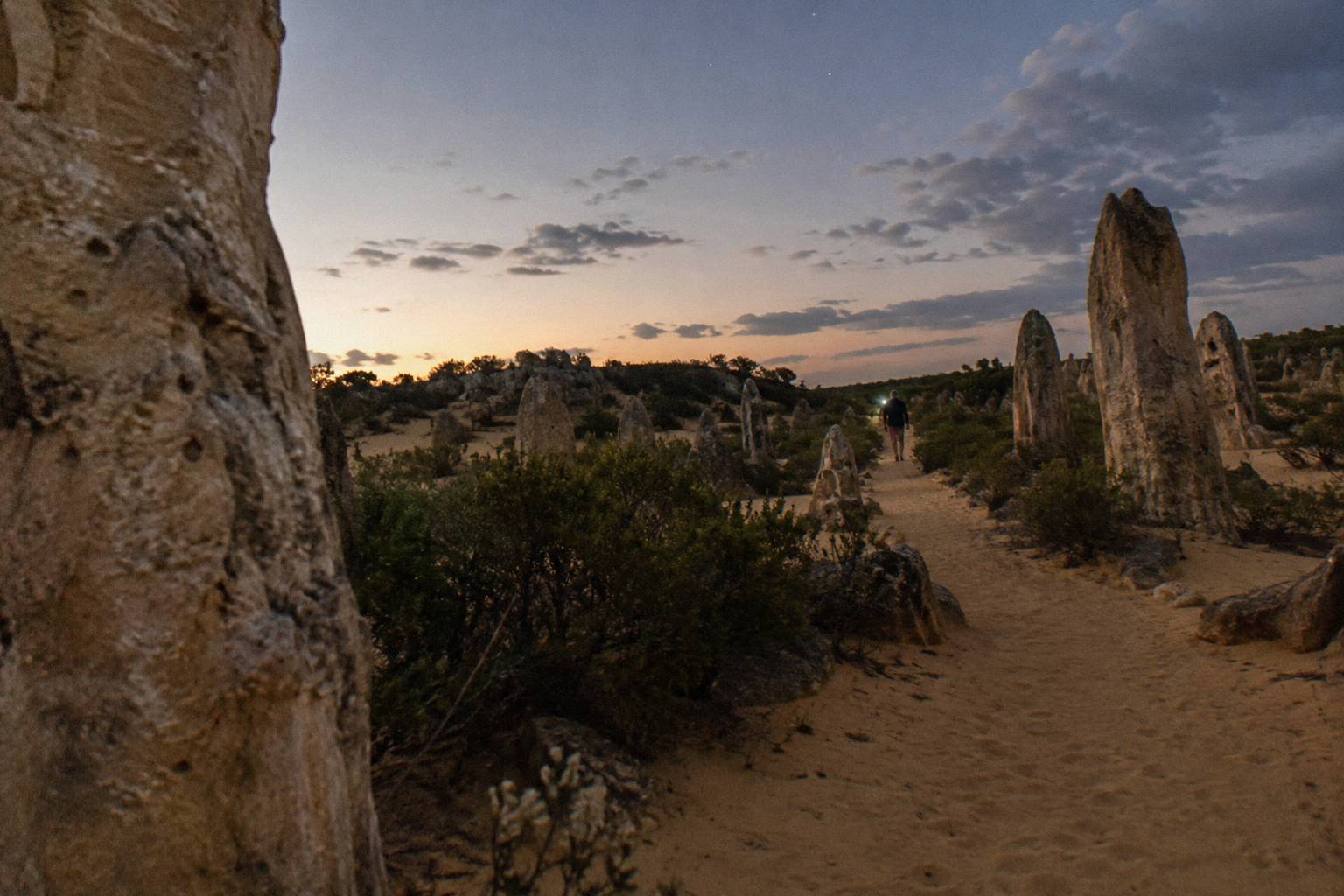
A tour changes three things: the driving, the timing and the add-ons. Someone else covers the roughly 200 km trip each way, the departure is timed so you are among the pillars for the best light rather than the midday sun, and the itinerary folds in stops that are awkward to arrange alone, such as Lancelin sandboarding, a lobster lunch or stargazing on the way home.
The strongest case for a tour is the sunset return. Driving back to Perth after dark on unfamiliar roads is the part of a self-drive sunset visit that people underestimate, and it is exactly the part a tour removes. The stargazing formats also carry equipment and a guide's commentary that a private car does not. DBCA publishes no dark-sky statement for the Pinnacles, but the location, about 200 km from Perth's glow, is the reason astronomy formats run there at all.
The middle ground is a day tour that bundles the coast. The Pinnacles Desert Lobster Tour from Perth, run by Wildlife Tours Australia, runs 9 hours 30 minutes from AU$174 per person with inner-city pickup included and park entry named as included, pairing the pillars with the lobster country around Cervantes. If weighing that against driving yourself, the lobster lunch and dinner day trips comparison sets out the food-led options, and you can see the lobster tour's full details before deciding.
Tours also handle the seasonal judgement calls. The Bureau of Meteorology Jurien Bay table, the nearest full climate record to Cervantes, shows why timing matters: June and July average 106.6 and 111.1 mm of rain while December averages just 6.0 mm. Operators run year round, but a guide who knows the park can shift the plan around a shower in ways a fixed self-drive itinerary cannot.
What A Visit Costs
Entry to Nambung National Park is AU$17 per standard vehicle, AU$10 concession, or AU$10 for a motorcycle; a large vehicle with more than 12 occupants pays AU$8 per person. On a commercial tour, the DBCA operator fee is AU$8 per passenger and children under 6 are free. Booked tours start from AU$174 per person, and each listing names whether park entry is included in its own price.
The park entry side is straightforward and, for a family in one car, cheap: one vehicle fee covers everyone aboard, and a valid park pass covers entry too. The DBCA park entry fees page carries the full table, including the rule that a private vehicle with 13 or more occupants pays entry at each of Yanchep and Nambung national parks, which matters if you are planning a group run that stops at both.
The tour side ranges widely by format. The lobster tour sits at the accessible end from AU$174 per person; the express format is from AU$190; sunset dinner and stargazing formats run from AU$199 to AU$249 per person; and private days run from the AU$557 per person of Perths Tiny Tours upward. Every tour price here is a from-price in Australian dollars, varies by date and group size, and the booking page shows the price for the date you choose.
Two costs people forget: fuel and food. There is no restaurant in the park, the nearest accommodation and eating options are in Cervantes and Jurien Bay, and a self-drive day means covering about 200 km each way, twice in one day. Against a from-price of AU$174 for a picked-up, entry-included day, the self-drive saving is smaller than it first looks.
Who It Suits And Who It Does Not
It suits photographers, families with school-age children, road trippers already heading north, and anyone curious about geology, because the pillars, the loop and the visitor centre deliver a lot per hour and per dollar. It suits walkers less if they want long trails: the park's walk is 1.5 km. It suits neither campers, since there is no camping in Nambung National Park, nor pet owners, since no dogs or other pets are allowed.
Photographers get the clearest yes. The pillars change character with the light, the loop gives repeated angles from parking bays, and the short walk trail puts you at pillar height for close work. The guide on photographing the Pinnacles light and timing covers the planning in depth, and the sunset times by month page handles the timing question.
Families are well served by the accessible first 300 m of the Desert View Walk Trail and the displays at the Discovery Centre, and several tours set minimum ages low: the express and koala-paired trips allow children from 2 to 4 years old, while sandboarding-focused small-group 4WD tours typically start at 8. If children are the reason for the trip, the question of whether a day trip is too long for children is worth reading before booking a nine-hour format.
The firm no cases are narrow but real. If you want a full-day walk, a swim beach inside the same park boundary visit, or nightlife, the Pinnacles alone will disappoint; Hangover Bay and Kangaroo Point sit in the park but are separate drives, and swimming there is at Jurien Bay Marine Park beaches rather than at the desert itself. And if two hours each way of driving sounds like a chore rather than a road trip, that reaction is the answer: hand the wheel to a tour or pick a different weekend.
What Trips People Up Before You Go
The mistakes that sour a Pinnacles visit are all planning errors: assuming there is food in the park, arriving without checking the Discovery Centre's 9:30 am to 4:30 pm hours, expecting mobile coverage, bringing a dog or a caravan onto the loop, and underestimating the drive back after dark. Each one is avoidable with a single decision made the day before, and none of them is the park's fault.
Food first: the park has a retail gallery with refreshments at the Discovery Centre, but no restaurant, so plan lunch in Cervantes or pack your own. Second, the loop rules: vehicles longer than 7 m, caravans and trailers are not permitted on the drive trail, though the sealed and unsealed access roads otherwise suit two-wheel drives, trailers, caravans and buses. If you are towing, unhitch before the loop or skip it and use the walk trail.
Third, communications. Coverage is patchy or absent in parts of the park, and the visitor guide is blunt: "If there is no mobile phone coverage you WILL NOT be able to call 000 but the app will provide you with your GPS location." Download the Emergency+ app before you leave Perth. Fourth, seasons: summer from December to March is hot and dry with extreme fire danger possible, and DBCA advises carrying a personal location beacon; wildflowers, by contrast, run from August to October per DBCA, with Coral Coast tourism reporting a July-to-October window peaking August to September, all rainfall dependent.
Finally, the booking-side error: assuming what a tour price includes. Inclusions differ product to product, some name park entry and a meal, others name neither, and each booking page states its own. Check the inclusions line before you compare prices, and check the live price and date for any format you are circling, because from-prices move with the calendar.
Common Questions About Visiting The Pinnacles
Is The Pinnacles Desert Worth Visiting?
Yes, for most travellers. Thousands of limestone pillars up to about 3.5 m tall, a 4.5 km drive loop among them, a 1.5 km walk trail and a Discovery Centre, all about two hours from Perth and open year round, make it one of the most distinctive landscapes reachable on a WA day trip.
How Long Do You Need At The Pinnacles Desert?
About two to three hours on site covers the drive loop, the Desert View Walk Trail and the visitor centre. Allow five to six hours door to door from Perth on a self-drive morning, or six hours on an express tour.
Can You Visit The Pinnacles Without A Tour?
Yes. Access roads suit two-wheel drive vehicles, entry is AU$17 per standard vehicle, and the loop, walk and Discovery Centre need no guide. A tour instead removes the drive, times the light, and adds stops such as sandboarding, a lobster lunch or stargazing.
What Does It Cost To Visit The Pinnacles?
Park entry is AU$17 per standard vehicle, AU$10 concession, AU$10 for a motorcycle, or AU$8 per passenger on a commercial tour with children under 6 free. Booked tours run from AU$174 per person, with each listing naming its own inclusions.
When Is The Best Time Of Year To Visit?
For wildflowers, DBCA says vegetation bursts into flower from August to October, and Coral Coast tourism reports a July-to-October window peaking August to September. For dry weather, the Jurien Bay climate record shows December as the driest month at 6.0 mm of rain; summer days are hot with possible extreme fire danger.
Are The Pinnacles Suitable For Children?
Yes. The first 300 m of the Desert View Walk Trail is a Class 1 accessible path, and several tours set minimum ages from 2 to 4 years old. Longer nine-hour formats suit older children better, and small-group 4WD sandboarding tours typically start at age 8.